When Design Styles Are Misunderstood
Looking Beyond Labels in Contemporary Homes
In recent years, design styles have become more accessible than ever.
Terms like wabi-sabi, Japandi, and modern organic are now widely used — across social media, marketing materials, and even project briefs. They offer a quick way to describe a space, to communicate a mood, or to align expectations.
But with that accessibility comes a quiet shift.
The meaning behind these styles is often simplified, sometimes misunderstood — and occasionally reduced to a visual checklist.
The Case of Wabi-Sabi
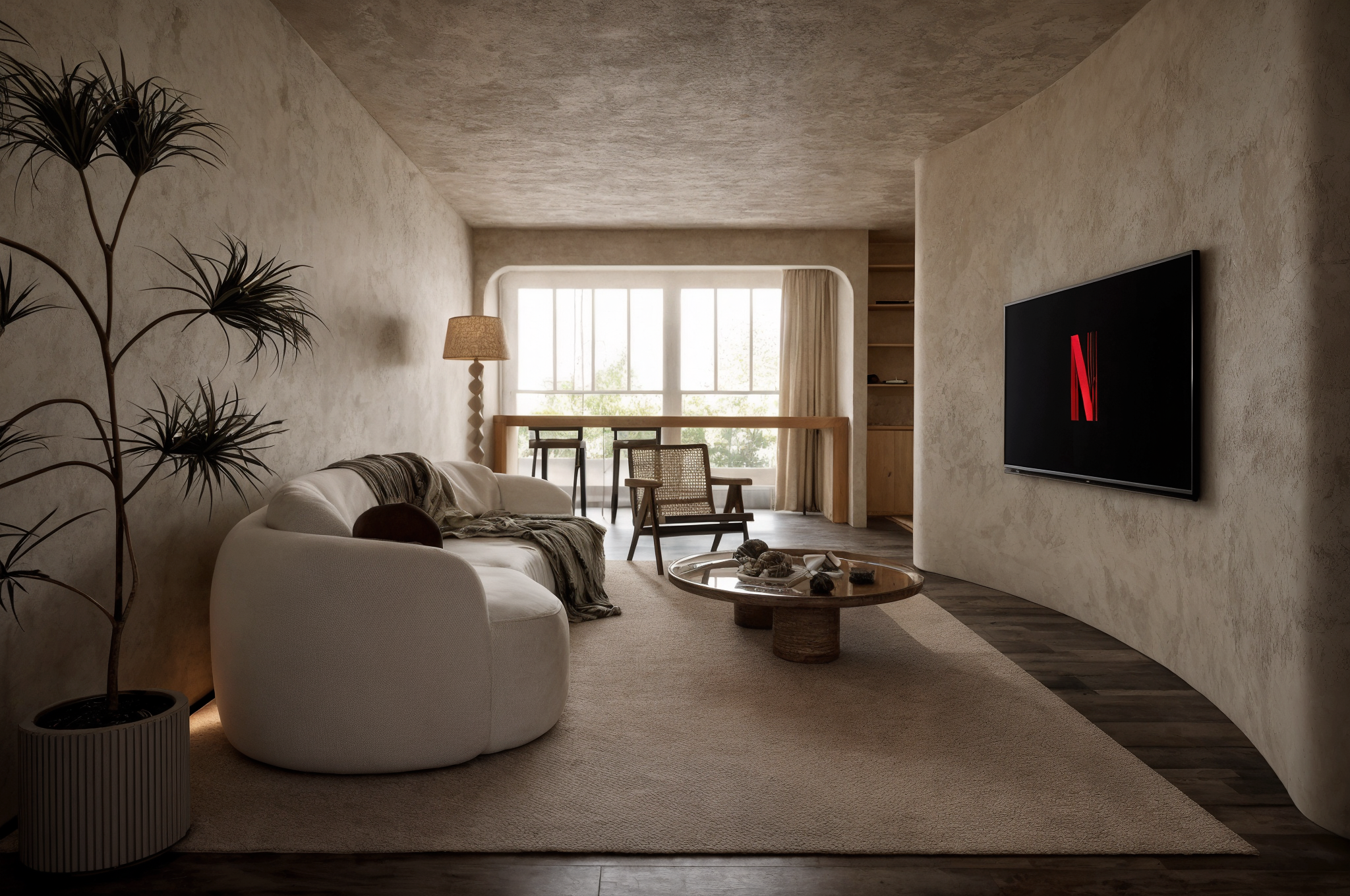
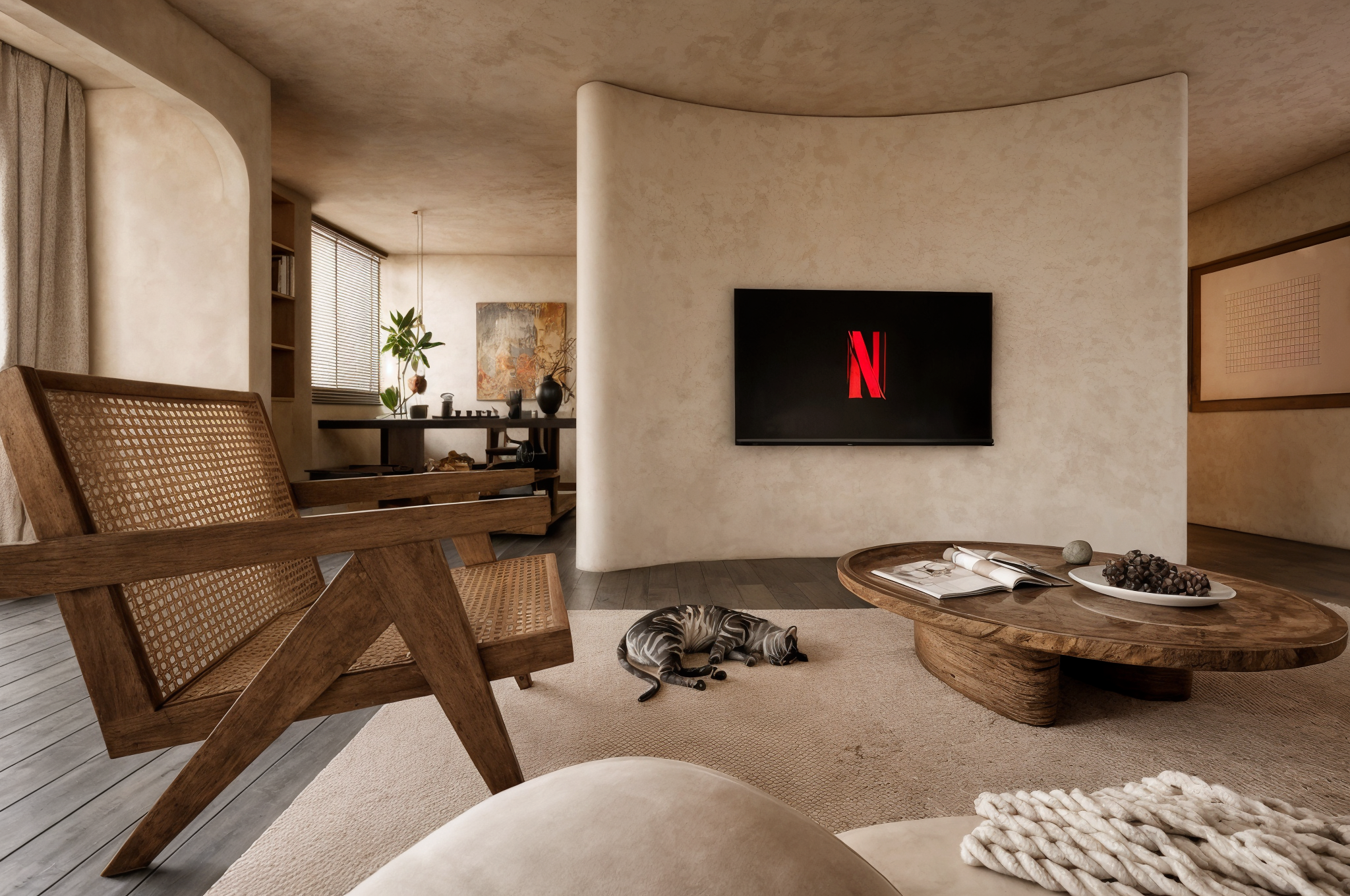
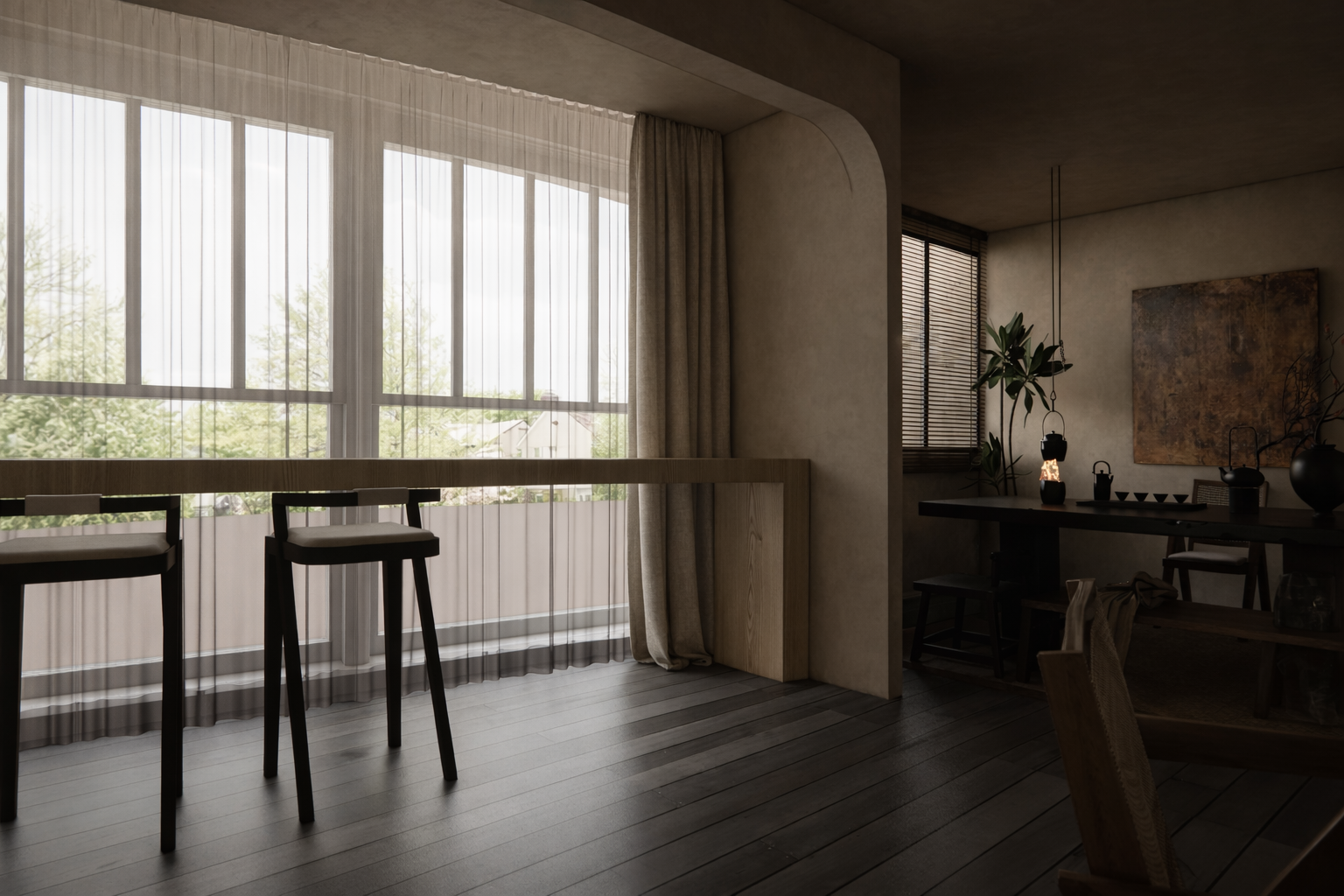
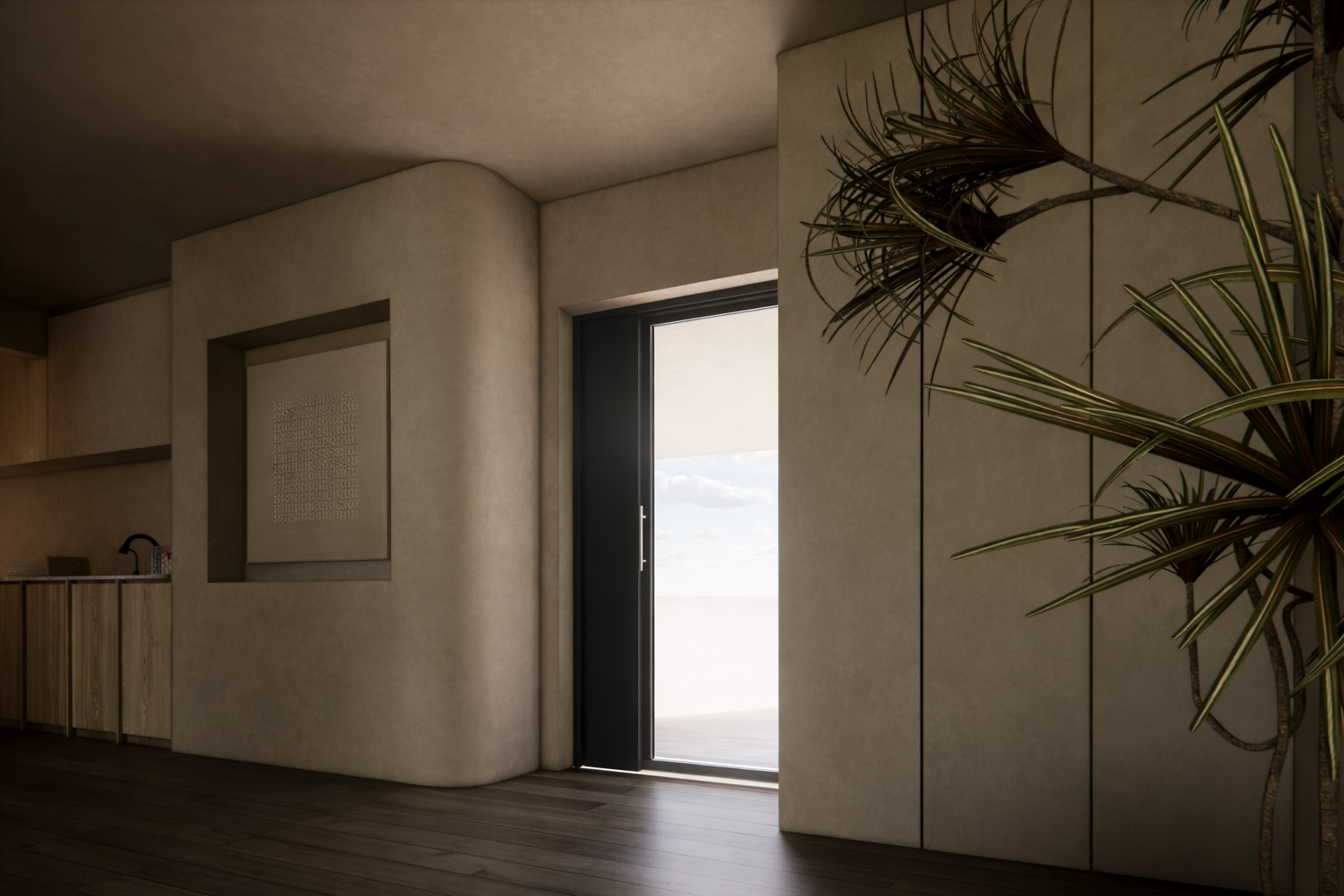
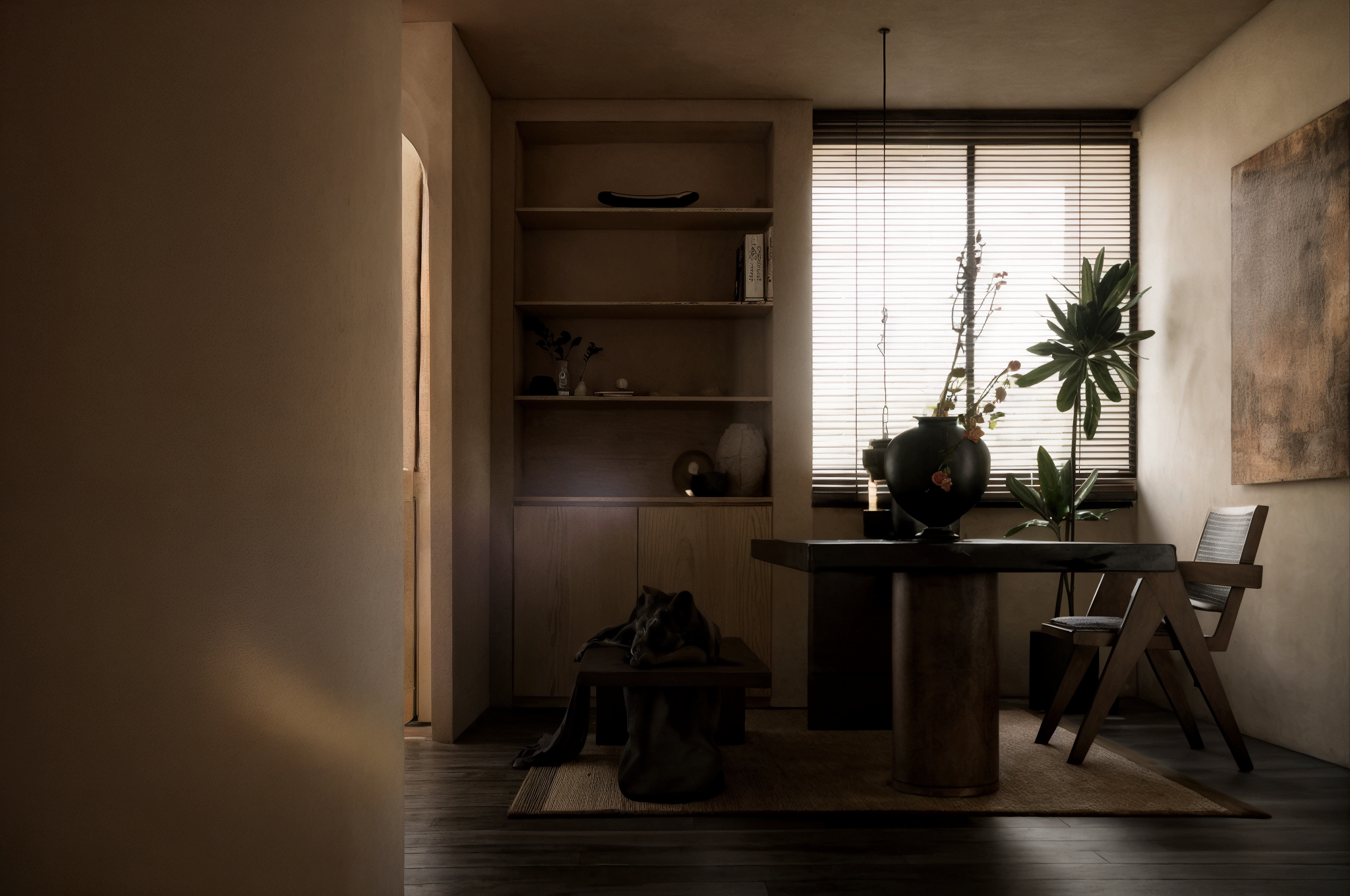
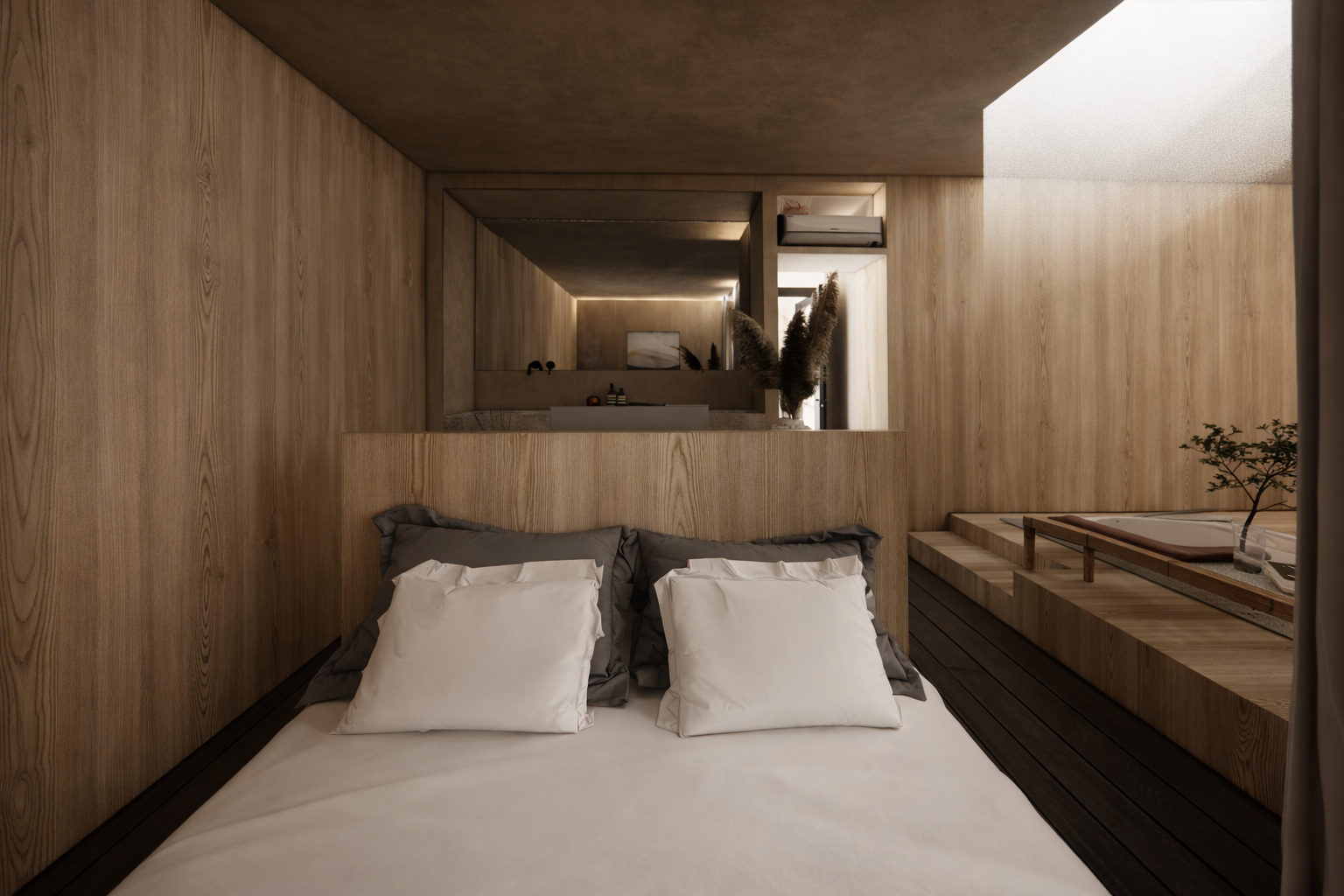
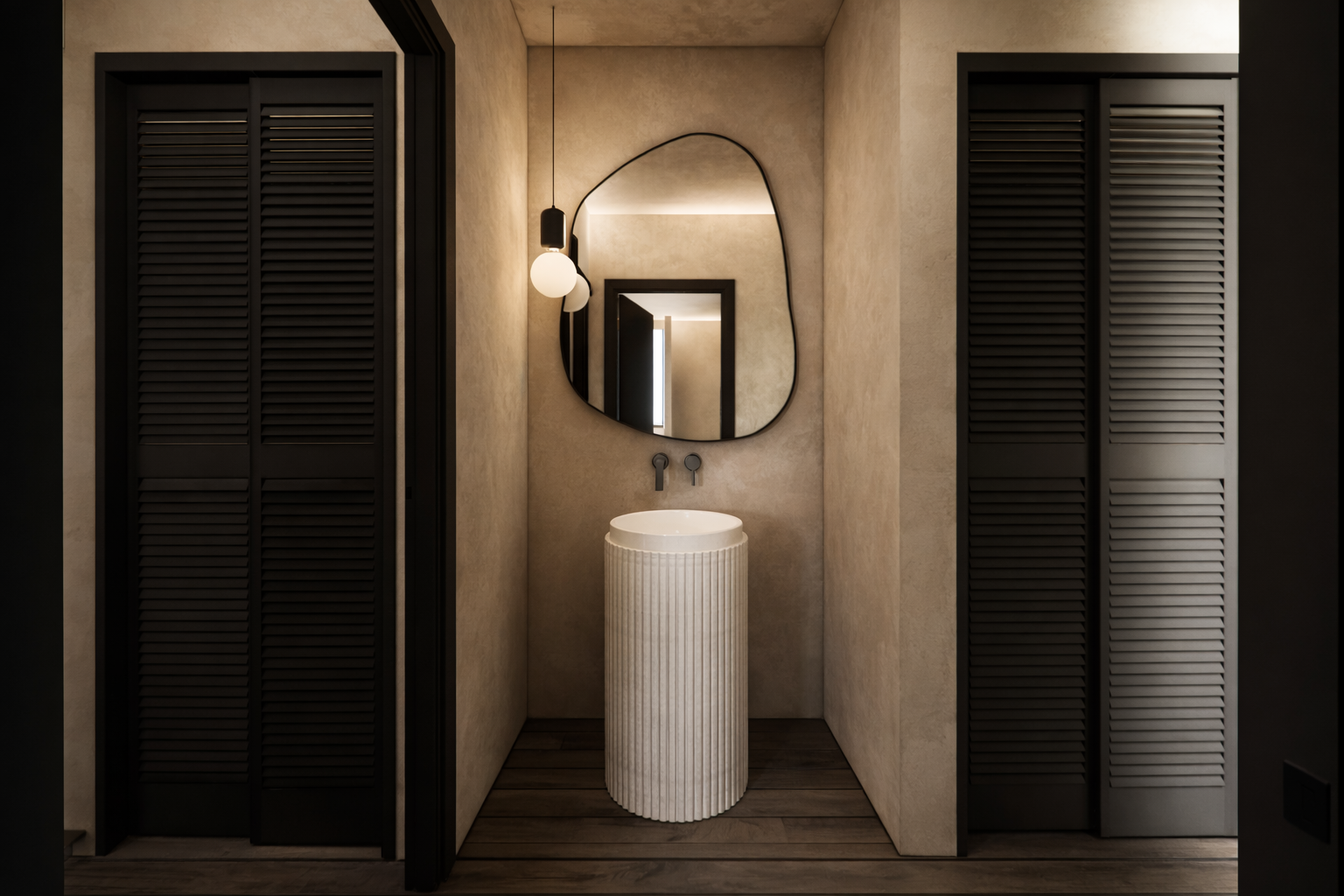
Wabi-sabi is one of the most frequently referenced - and often misinterpreted styles today.
At a glance, it is commonly associated with:
Neutral tones
Minimal furniture
Textured walls or microcement finishes
While these elements may appear in wabi-sabi spaces, they are not what define it.
At its core, wabi-sabi is rooted in a deeper philosophy - an appreciation of imperfection, transience, and the natural ageing of materials. It embraces irregularity, asymmetry, and the quiet beauty found in things that are incomplete or evolving.
A perfectly symmetrical space, executed with pristine finishes and styled meticulously, may look calm — but it does not necessarily embody wabi-sabi.
When Aesthetic Replaces Intent
As design styles become more popular, they often shift from philosophy to aesthetic.
A home might adopt:
A muted colour palette
Soft, diffused lighting
Minimal decor
And be described as wabi-sabi.
But without the underlying intent - without the acceptance of imperfection, the restraint in composition, and the quiet irregularities - the space becomes something else entirely.
Not wrong. Just different.
Why It Matters
This distinction may seem subtle, but it shapes how a space is designed - and how it is experienced.
When styles are treated as labels, decisions tend to focus on appearance:
“What tiles look wabi-sabi?”
“What colour palette fits this theme?”
But when the intent is understood, the questions shift:
“How should this space feel over time?”
“What materials will age naturally?”
“What level of imperfection am I comfortable living with?”
The design becomes less about replication, and more about interpretation.
Moving Beyond Labels
Design styles can be useful - but they are only a starting point.
A well-designed home is not defined by whether it fits neatly into a category, but by how thoughtfully it responds to the people living in it.
At Kinspace Studio, we often begin with references — but the process quickly moves beyond them.
Because the goal is not to recreate a style, but to translate its essence into something personal, liveable, and enduring.
A More Considered Approach to Design
Not every calm home is wabi-sabi.
Not every minimal space is Japandi.
And that’s perfectly alright.
What matters is clarity - understanding what draws you to a particular style, and how those qualities can be meaningfully expressed in your own space.
Because good design is not about getting the label right.
It’s about getting the feeling right.
Thinking about your own home?
We take a considered approach to design - looking beyond styles to create spaces that feel intentional, cohesive, and quietly refined.
Start a conversation with us to explore what your space can become.